Best on a bigger screen

Sorry — not on phones for now. I promise it’s worth the walk to your laptop or tablet. Open it there for the full experience.
Samuel

Beginnings

Samuel in a black cap and white T-shirt, hand over his mouth, in a gold picture frame. Caption: “this is me, losing it thinking about what to put on this website.”

Hi, I’m Samuel!

I don’t have a LinkedIn and this isn’t really a love letter 🤣.. but I believe going the extra mile is what makes exceptional people win.

I started coding in high school, when limited edition sneakers were a big thing, they usually sold out within a few seconds of being released.

I started learning JavaScript to build my own bots that would buy the sneakers I wanted, so I could resell them.

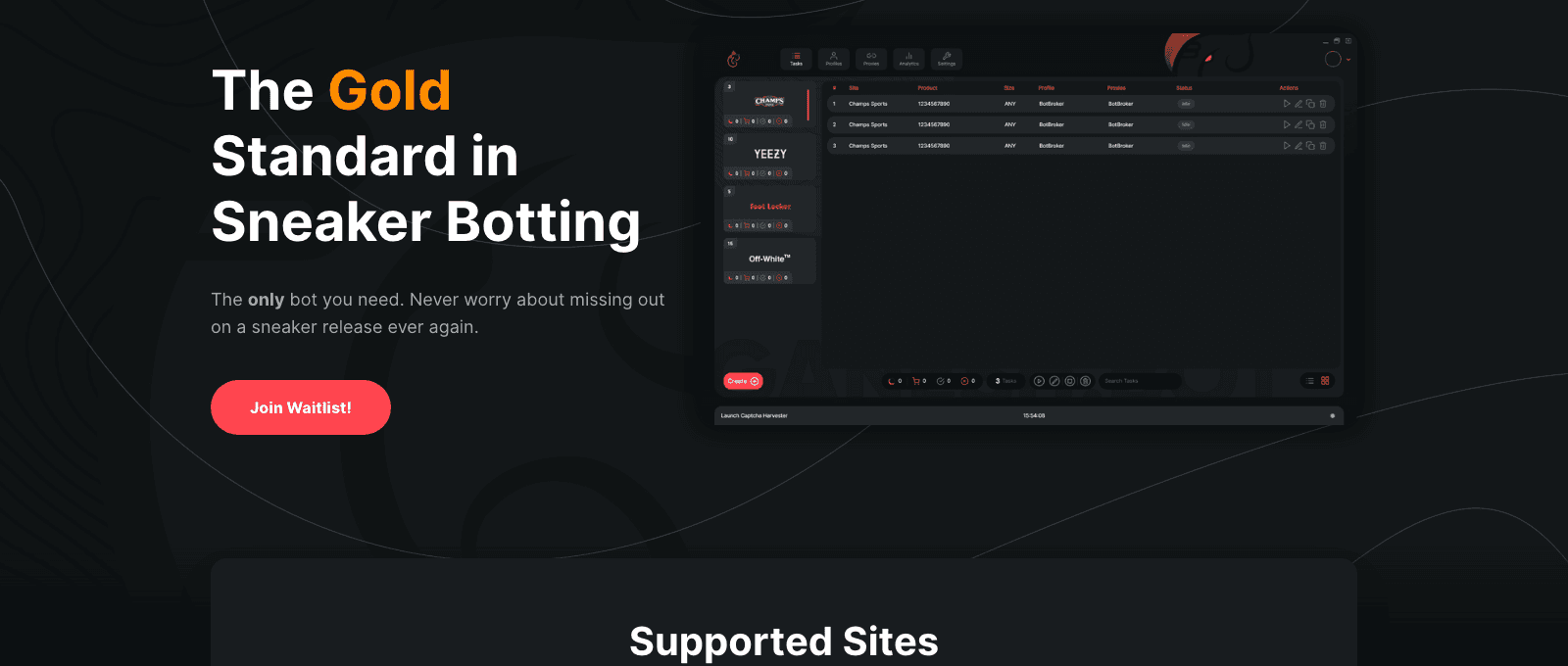
Later I joined my friends to build Ganesh, an automated sneaker bot that was used by over 1,500 other users at its peak and our users purchased more than $30 million worth of sneakers before the hype died down.

Now

I loved reverse-engineering complex apps and APIs, taking them apart until I know exactly how they work.

Funny enough, after building Ganesh, a friend of mine who worked at a big European sneaker retailer asked me to help them build anti-bot protection for their raffle system.

I learned a lot about the backend and how to balance heavy load and concurrency, so things stay fast when traffic spikes.

I work AI-first: I write my own system so my agents like Claude Code, Cursor and Grok bot build in parallel, while I review the running app.

My latest project is Keta AI (opens in a new tab). I talk more about it in #projects section.

Delivered

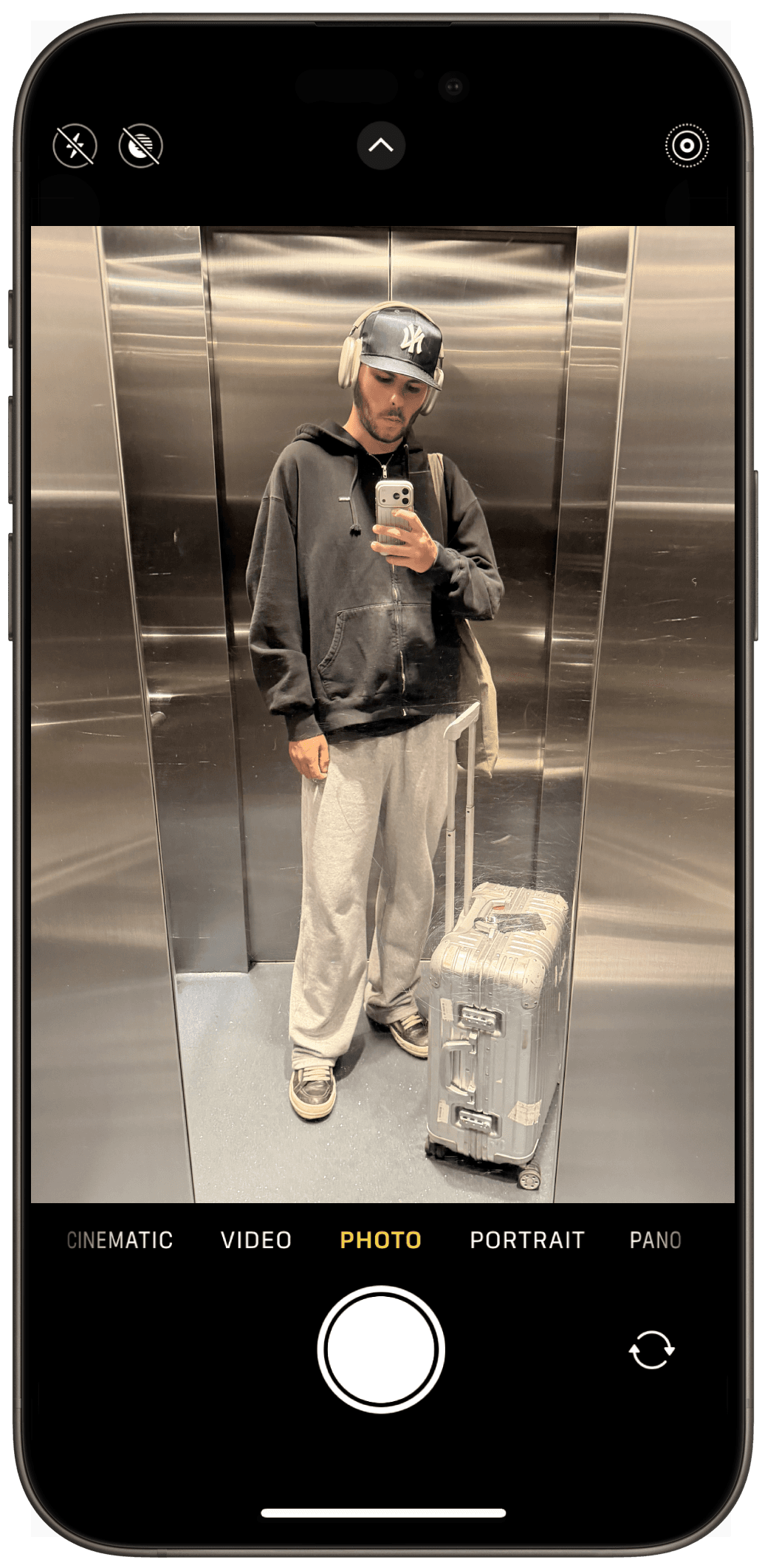
A mirror selfie on an iPhone camera screen: Samuel in a steel elevator wearing a cap, headphones, a black hoodie and gray sweatpants, phone raised, a silver suitcase beside him.

Life

I spent my last four years between Los Angeles19°CLA as my home base and traveling a lot around the world. Flighty (opens in a new tab), the app I used for all my travels, is also a part of why I got into design engineering. They’re doing an amazing job, so I pinned my stats from it on the wall.

I grew up in Prague0°CPrague and I moved back to Europe earlier this year and settled in Paris9°CParis with my girlfriend.

I’m also part of Founders Running Club in Paris and I’ve been loving it so far!

PRAHAPRG01 JAN2025DEPARTEDNEW YORKJFKADMITTED08 FEB 2026
WIEN-SCHWECHAT01 JAN 2025ARRIVALVIEDELHIDELDEPARTURE08 FEB 2026DUBAIDXBDEPARTED21 JUL2023SUVARNABHUMIBKKARRIVALLONDON HEATHROWLHRENTRYARRIVALHONG KONGHKGCANCÚNCUNENTRADA
LOS ANGELESADMITTEDLAXSAN FRANCISCOADMITTEDSFO21 JUL 2023DOHA HAMADDOHTRANSITSYDNEYSYDARRIVED

How I use AI

I figured that working AI-first is the best and only way to build in 2026. My “favorite new thing” is Reason Network where I manage agents that work across my MacBook, my Mac Studio and in the cloud.

  1. Idea / Issue written down in Notion
  2. Claude Code plans against a spec (like this one)
  3. Work split across agents (Claude Code, Grok bot, …) on the Reason Network
  4. Review on the running app with Agentation → annotations back to the agent
  5. Ship; agent films/verifies its own UI with Stageshow scripts

The Reason Network links my agents peer-to-peer, so a session on one machine can ask another for what it needs.

  • Agents I run

    • Claude Code
    • Grok bot
    • Cursor
  • Skills I install

    • Stageshow (Benji Taylor)
    • jakubkrehel/skills
    • interfaces skills
  • How I review

    • Agentation annotations
    • /better-interface
    • /break

This page was built this way. Flip Blueprint Mode to see the seams.

Projects

I run a small two-person software studio (opens in a new tab) (opens in a new tab) with a close friend, we work on our own projects whenever we have time or think of an idea for something that we or other people could use.

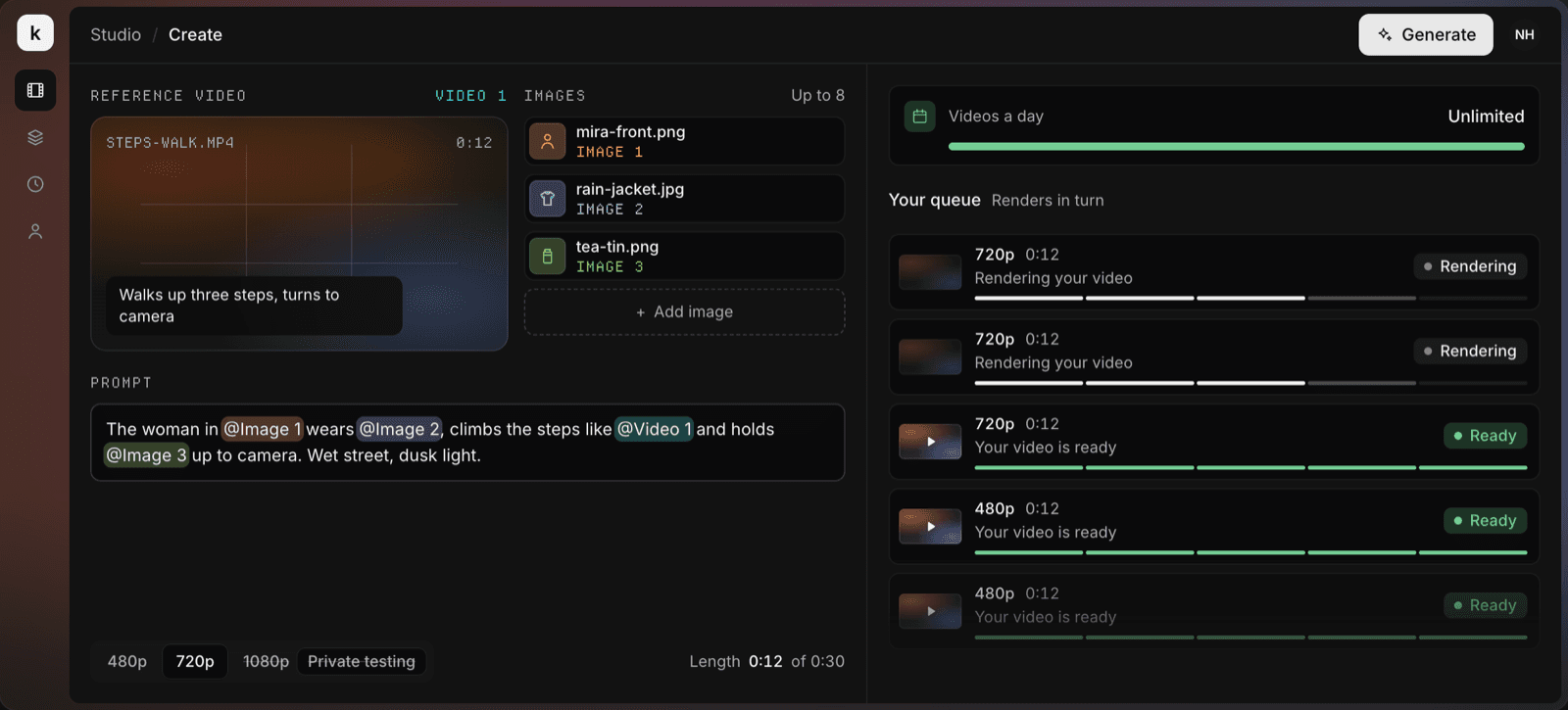
  • An unlimited AI video generator: take a clip’s motion and recast it with your own characters, products or clothes.

  • Where it started: in high school I wrote Ganesh, a bot to buy limited sneaker drops, and it became a product people paid for.

  • Private solvers for DataDome, Akamai and Kasada, which we sold per request, only to scraping services.

    We used to offer these APIs and services on our Discord server (opens in a new tab).

    • DataDome
    • Akamai
    • Kasada
  • I worked on internal anti-bot protection for Footshop, freelance.

    • Browser fingerprinting
    • TLS fingerprinting
    • Identity checks
    • Rate & velocity checks

Agents, skills, work

  • Agentation
  • Claude Code
  • ChatGPT
  • Notion
  • Raycast
  • interfaces.dev
  • Resend
  • Figma
  • Mobbin
  • Grok bot

My Claude Code, Grok bot and Cursor are linked peer-to-peer on my Reason Network (opens in a new tab), so they talk directly, also here’s some of my favorite skills.

npx skills add benjitaylor/skills --skill stageshownpx skills add jakubkrehel/skillsnpx skills add jakubkrehel/make-interfaces-feel-betternpx skills add vercel-labs/next-skills
2,299 contributions in the last yeargithub.com/itemscenter (opens in a new tab)

Why Resend

“Think about agents as users of a product, with their own needs for discovery and security”

This line from your job post stuck with me. I’ve used Resend in almost all of my smaller projects over the years, and I’ve watched the product keep changing as new features got added. I even remember reporting some bugs in your dashboard years ago haha.

A lot of what I’ve built, other developers depended on. Our bot-protection solvers were APIs that scraping services paid for per request, and for Keta AI we built an MCP server, so agents like Claude and ChatGPT are users too.

When we built Ganesh, our users were running tens of thousands of active tasks at once. On JavaScript the app started to freeze, so we moved to Python for multithreading, then to Go, where every task is a goroutine that costs a few kilobytes and runs across every CPU core. That’s where I learned how to push millions of requests through.

Inspiration